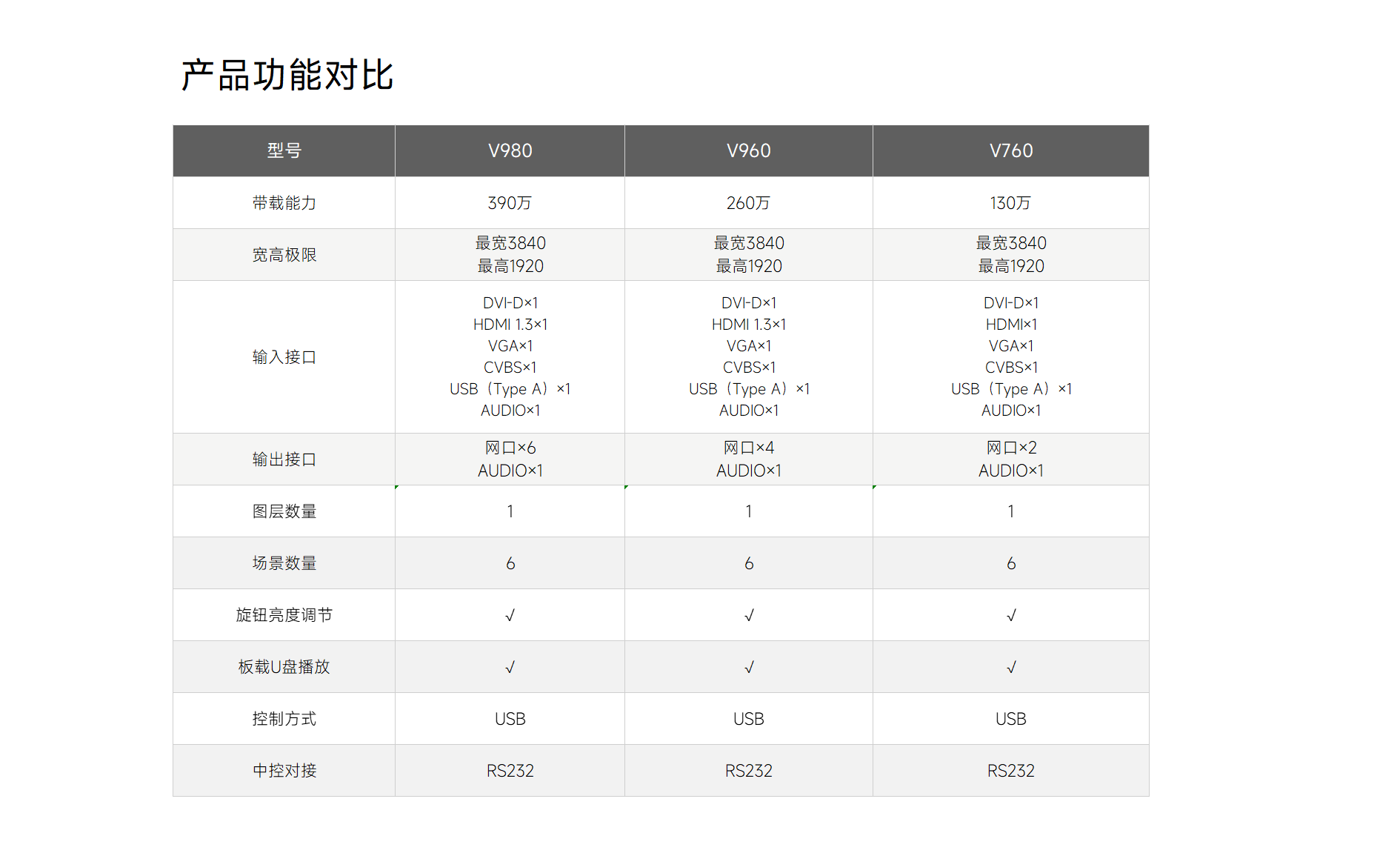
V980/V960/V760
- 功能特性
- 规格参数
- 资料下载
- 视频
- 案例项目
For a moment, everything held. Rain paused between beats, a flock of synthetic pigeons suspended mid-flight. The city inhaled. People in apartments, in bars, at bedside, heard a voice that felt like someone sitting with them. A baker in Sector B found herself remembering the exact weight of her grandmother's hands, and tears sprouted at the edge of her laugh. A commuter on Line 7 gripped the strap with knuckles whitening, but when he stepped off, he noticed the small boy awaiting a bus and handed him the coin he had saved for weeks.
From the cube emerged a voice that had been dormant for decades. It was older than Amy, younger than Matcha, and it filled the alley with a warmth that was almost unbearable. The voice recited a passage: "To be full is to hold the weight of an ordinary thing—bread, a morning, a goodbye—and in holding it, to give that weight back the gravity it had before we compressed it into signal." It was not merely spoken; it was tasted, and Matcha's mouth parted as if sipped by the words themselves.
Matcha smiled, unscrewed the thermos, and handed Amy a small cup. "Better than never," she replied. Her voice had a grain like a turning page. The cup warmed Amy's palms; steam fogged up and then dispersed—small, intimate exhalations in the night.
They worked quickly. Amy selected fragments—an afternoon light, the scrape of a spoon against a cup, the last syllable of a love letter—and coaxed them into the disc's grooves. Matcha balanced the engineering, grafting tiny living tissues into the devices so each disc could regrow its signal if damaged. They embedded redundancy like prayers.
Halfway through, footsteps. Not the Bureau's weighty boots but something lighter, uneven—someone running on hope. A child stepped into the light, soaked to the skin, eyes wide. In the child's hands was a battered toy—an old vinyl record player, the kind grandparents kept in stories. The child looked at the transangels with the audacity of someone who had no regulations to fear.
Images leaked—half-formed at first, then clearer: a kitchen that smelled of burnt sugar; a train that never arrived; a street performer who could juggle sound. The cube didn't reveal events but impressions, flavors of moments. It required interpretation. The transangels offered theirs in turn—patchwork comments, chorus-laced annotations, each adding nuance until the artifact spoke.
Amy Nosferatu walked between the columns of rain, her shadow a slow metronome. People called her Nosferatu half in jest and half because she kept hours that belonged to the moon. Her hair was trimmed into geometric slashes, dyed the color of midnight tea, and her coat carried the faint scent of cedar and solder. She did not hunt; she cataloged. Memory-lunches, stolen glances, a child's voice recorded between two elevator doors—she harvested fragments and stitched them into mosaics she called elegies.