Sleeping Dogs Skidrow ~upd~ Crack Fix Full May 2026
The word “safety” in the mouths of officials always felt like a lit fuse. It meant removing what they didn't want to look at, burying stories under concrete and resumes. Eli's breath fogged. The dogs shifted, aligning themselves into a chorus.
Crack Fix aged like a signpost. He grew rings around his eyes that matched the grooves on my own knuckles. He greeted me on rainy days with a tail that was thinner and farther apart, an honest metronome. Once, when the boutique's planter was overwatered, he hopped inside and went to sleep under a basil leaf, snoring like a man counting coins. People took photos, posted them with captions meant to make them feel good. The world traded care for a snapshot.
June stepped forward first, her hands full of change and fury. She told them about the man with the fish-scented bag, about Eli's allergies and his old war medals hidden in a shoebox. She spoke of the dogs, of how Crack Fix was good at keeping the rats away from the baby sleeping under a blanket of newspapers. The foreman, a man whose face seemed built from memos and good intentions, consulted his clipboard as if the world still bent to ink. The bulldozer revved. sleeping dogs skidrow crack fix full
If you wanted the true story, it would be less tidy: trucks came, people left, some came back. Dogs slept and woke and kept the mice out of the gutters. People made furniture and opened shops and cried at one another's graves. Names like Crack Fix stuck like burrs because they were honest; they admitted the mess and the love at once. The city told itself many stories, but what mattered was what we did between the lines—the coffee, the thermos, the hands.
Eli found shelter in a shelter that required forms and two proofs of identity and an earnest letter. He slept in a bunk that squeaked with the weight of other people's apologies. June still kept her store, but it sold fewer cigarettes and more artisanal things with names that suggested mindfulness. The city called it progress. Progress tends to have neat labels. The word “safety” in the mouths of officials
One afternoon, Eli returned, hair shorter and eyes cleaner. He’d attended meetings and a program that taught him to make furniture from reclaimed wood. He rolled a cart down Skidrow selling stools with names like Second Chance and Morning Coffee. He set one stool by the boutique, under the ficus, and sold it to a woman who cried when she paid. The woman left and faked a call to her mother that sounded like reconciliation. Everyone left with a story.
One night, after the parade of fluorescent signs had tired and the buskers stopped tuning their guitars, a commotion woke the sleeping dogs. Crack Fix lifted his head, ears like satellite dishes. He wasn't alone. A man with a hoodie the color of old coffee had set up a tarp and two folding chairs under the bridge. He was bleeding from somewhere behind his ear and clutched a plastic bag that smelled like fish and failure. June hustled out with a thermos of something that steamed against the cold; she called him Eli. He smiled like a man who’d learned to measure kindness in teaspoons.
Sleeping Dogs Skidrow ~upd~ Crack Fix Full May 2026
Digital Media
With your LA County Library card, you can download or stream eBooks, eAudiobooks, magazines, music, and movies on your computer, tablet, or phone. It's free and you'll never have to worry about overdue fines!
You'll need a library card in good standing and a PIN to access most downloadable & streaming content.
Sleeping Dogs Skidrow ~upd~ Crack Fix Full May 2026
Welcome to a New Way to Read...
Have you walked into a library and wished you could check out more books than you could possibly carry? Check out a Kindle Paperwhite at participating libraries with a collection of titles that you are sure to enjoy. Each Kindle has been loaded with expert-selected books.
You don’t need internet access - all the books are pre-loaded onto the Kindle so you are ready to read.
Three week checkout
Renew up to 3 times, as long as no one else is waiting
Must be 18 or older (or under 18 with parent permission)
eBooks cannot be added to this device by user
How do I get one?
Visit a participating library to check out or place a hold on a Kindle Paperwhite. Kindles are not sent to other libraries for pick up.
Note: Selection of genres varies per library. Click on a library below to see the list of genres.
Library Locations with eReaders
Click on the library to view list of genres available.
Many of our libraries offer enhanced resources, computers, and online services to support your homework needs. Check with your local library!
Sleeping Dogs Skidrow ~upd~ Crack Fix Full May 2026
What is Family Place?
A Family Place Library is a center for early childhood information, parent education, emergent literacy, socialization, and family support. Family Place builds on the knowledge that good health, early learning, parent involvement, and supportive communities play a critical role in young children's growth and development. Each Family Place Library features the following core elements:
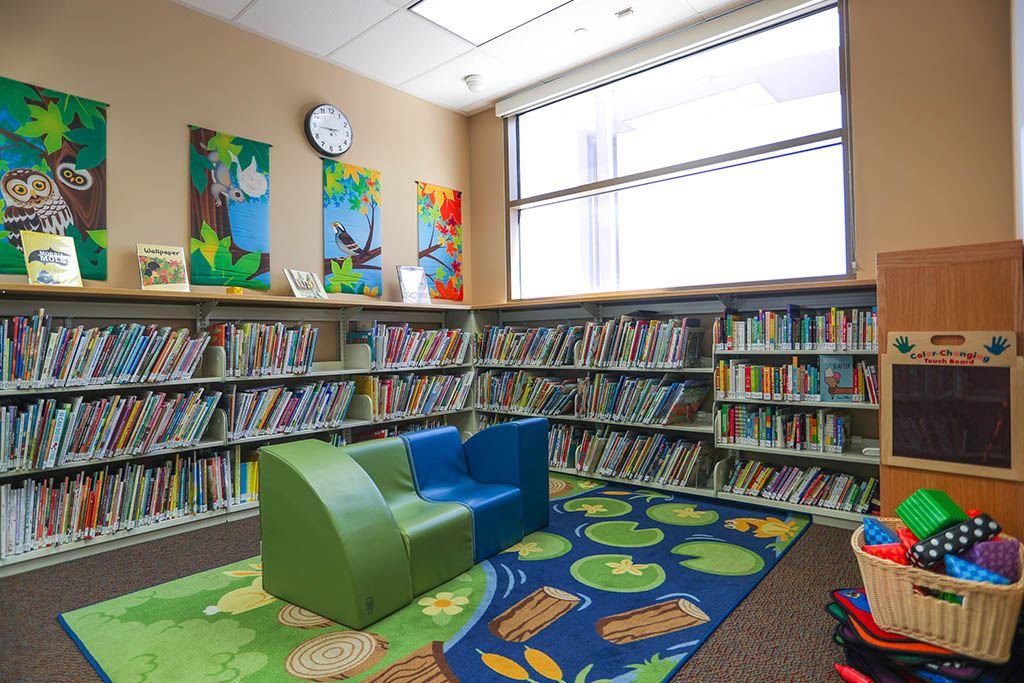
A bright, colorful, and welcoming space for young children and their parents.
A collection of books, toys, videos, music, and other materials for babies, toddlers, parents, and service providers
Access to resources that emphasize emergent literacy, reading readiness, and parent education.
Developmentally appropriate programming, such as baby and toddler storytimes for younger children and their parents.
Outreach to new and underserved populations.
The Parent-Child Workshop is a five-week workshop featuring local professionals, such as nutritionists, speech and language therapists, and child development experts, who serve as resources for parents.
The first three years of a child's life lay the foundation for learning. Get the tools and resources you need to give your child the best possible start.
Great! Thank you for sharing your photos with Catalina PhotoShare, a community history project of LA County Library.
Your photos will be reviewed and if they meet the criteria, they will be added to the Catalina PhotoShare online collection.
If you have any questions, please contact: digitalprojects@library.lacounty.gov
The word “safety” in the mouths of officials always felt like a lit fuse. It meant removing what they didn't want to look at, burying stories under concrete and resumes. Eli's breath fogged. The dogs shifted, aligning themselves into a chorus.
Crack Fix aged like a signpost. He grew rings around his eyes that matched the grooves on my own knuckles. He greeted me on rainy days with a tail that was thinner and farther apart, an honest metronome. Once, when the boutique's planter was overwatered, he hopped inside and went to sleep under a basil leaf, snoring like a man counting coins. People took photos, posted them with captions meant to make them feel good. The world traded care for a snapshot.
June stepped forward first, her hands full of change and fury. She told them about the man with the fish-scented bag, about Eli's allergies and his old war medals hidden in a shoebox. She spoke of the dogs, of how Crack Fix was good at keeping the rats away from the baby sleeping under a blanket of newspapers. The foreman, a man whose face seemed built from memos and good intentions, consulted his clipboard as if the world still bent to ink. The bulldozer revved.
If you wanted the true story, it would be less tidy: trucks came, people left, some came back. Dogs slept and woke and kept the mice out of the gutters. People made furniture and opened shops and cried at one another's graves. Names like Crack Fix stuck like burrs because they were honest; they admitted the mess and the love at once. The city told itself many stories, but what mattered was what we did between the lines—the coffee, the thermos, the hands.
Eli found shelter in a shelter that required forms and two proofs of identity and an earnest letter. He slept in a bunk that squeaked with the weight of other people's apologies. June still kept her store, but it sold fewer cigarettes and more artisanal things with names that suggested mindfulness. The city called it progress. Progress tends to have neat labels.
One afternoon, Eli returned, hair shorter and eyes cleaner. He’d attended meetings and a program that taught him to make furniture from reclaimed wood. He rolled a cart down Skidrow selling stools with names like Second Chance and Morning Coffee. He set one stool by the boutique, under the ficus, and sold it to a woman who cried when she paid. The woman left and faked a call to her mother that sounded like reconciliation. Everyone left with a story.
"We've got till dawn," I said. The sentence landed like a stone.
One night, after the parade of fluorescent signs had tired and the buskers stopped tuning their guitars, a commotion woke the sleeping dogs. Crack Fix lifted his head, ears like satellite dishes. He wasn't alone. A man with a hoodie the color of old coffee had set up a tarp and two folding chairs under the bridge. He was bleeding from somewhere behind his ear and clutched a plastic bag that smelled like fish and failure. June hustled out with a thermos of something that steamed against the cold; she called him Eli. He smiled like a man who’d learned to measure kindness in teaspoons.
Consumer Health Information Program
The Consumer Health Information Program assists the public with medical research by providing information from reliable sources. Customers are invited to use the Norwalk Library collection which consists of books, magazines, videos, and online databases related to health topics. We also provide individualized research services.
Please be aware, we do not provide medical advice, nor are the materials we provide a substitute for a professional medical opinion.
What Can We Do for You?
We can provide you with information on topics such as:
Medical conditions or diseases
Prescription medications
Surgical procedures
General physician and hospital information
Book and website recommendations for further reading
The Californiana Collection is in closed stacks at the Norwalk Library located at 12350 Imperial Hwy, Norwalk, CA 90650.
About the Collection
The Californiana Collection consists of over 24,000 books and over 200 magazine and newspaper titles in paper and on microfilm as well as a collection of state documents including state and county budgets. The goal of this collection is to present a complete picture of the history, culture, environment and artistic expression of the people of California and to some extent, the western United States.
Collection Highlights
California Census Schedules from 1850 to 1910
Copies of The Alta California newspaper 1849-1891, as well as dozens of other 19th century newspapers from Gold Rush boomtowns, the Owens Valley and San Francisco
Official city and county histories from the 19th and 20th centuries
Materials on the Donner Party, California water projects, famous California crimes, Hollywood culture, biographies of Californians, pioneer narratives of the early days of California, and histories of the state written over the course of 150 years