











Rafian On The Edge Top [2021] -

rafian on the edge top

위시리스트 이벤트 확인하기

rafian on the edge top

위시리스트에 추가하고
출시 기념 혜택을 모두 받아가세요!

지금 바로 프리스타일 풋볼2를 위시리스트에 추가하세요.
전 세계 유저들의 위시리스트 수가 목표치를 달성할 때마다, 정식 출시 후 모든 유저에게 특별한 혜택이 주어집니다.

  • 풋볼
    rafian on the edge top

    위시리스트
    3,000

    위시리스트 3,000

    풋볼
  • 리얄 * 1,000
    rafian on the edge top

    위시리스트
    5,000

    위시리스트 5,000

    리얄 * 1,000
  • 높게 뻗은 따봉
    rafian on the edge top

    위시리스트
    10,000

    위시리스트 10,000

    높게 뻗은 따봉
  • 요가 자세
    rafian on the edge top

    위시리스트
    20,000

    위시리스트 20,000

    요가 자세
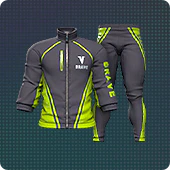
  • 브레이브 의상세트
    rafian on the edge top

    위시리스트
    30,000

    위시리스트 30,000

    브레이브 의상세트
  • 리얄 * 2,000
    rafian on the edge top

    위시리스트
    50,000

    위시리스트 50,000

    리얄 * 2,000
  • 프리미어 패스 구매권
    rafian on the edge top

    위시리스트
    100,000

    위시리스트 100,000

    프리미어 패스 구매권
이벤트 유의사항

지금 위시리스트에 추가하기

이벤트 유의사항

MEDIA

Rafian On The Edge Top [2021] -

That night, as Rafian drew, a storm breathed up from the river. Clouds gathered in slow, theatrical folds, and the city’s lights dulled as though someone were slowly turning down a dimmer. Rain began as a distant, metallic patter and advanced into a steady, cleansing drum. Rafian pulled his jacket closer and kept drawing. The rain blurred the ink, smearing edges into softer thoughts. He began to sketch less the structures of the city and more the weather itself: lines that suggested movement, negative spaces that held the rain’s absence. The storm was an eraser and an artist at once.

From the ledge he could see people as fragments of story. A woman below walked her small dog, arguing silently with herself about something important; two teenagers on a bench traded headphones and laughter; a delivery driver paused, looking skyward like a man who’d forgotten which turn to take. Rafian imagined their histories, imagined the choices that had bent them into these nocturnal shapes. He liked that imagining—an act of tenderness combined with a kind of gentle trespass. It made him feel linked to the city, not merely a worker within it but a witness to the private dramas that lit up its nights. rafian on the edge top

The show opened on a night when cold air matched the warmth inside the café. People drifted in—colleagues from the hospital, warehouse workers, a few homeowners who remembered the mill’s heyday, and a handful of city planners who, it turned out, liked to see what neighborhoods looked like when someone loved them. Rafian stood by his sketches, almost embarrassed by the attention. He listened as strangers found pieces of themselves in those lines. One visitor, an elderly man who’d lived near the mill for fifty years, pointed at a drawing of a gas lamp and described how his late wife used to feed pigeons beneath it. Another, a young woman, said she saw her grandmother in a portrait of a laundromat window. That night, as Rafian drew, a storm breathed

A year later, the waterfront was rebuilt: sleek promenades, concert spaces, a cafe with glass walls that reflected the river cleanly. Some neighbors approved; others missed the mill’s character. Rafian’s work had been folded into the council’s archives, his sketches consulted when plans for a new public space were drawn. The council kept a small plaque on a bench near the promenade: a brief note about the mill and the people who had gathered there. Rafian never looked for fame; the plaque mattered not for pride but because it meant the ledge had not been entirely erased from the city’s memory. Rafian pulled his jacket closer and kept drawing
이벤트 유의사항

  • - 본 이벤트 보상은 정식 출시 후, 참여하신 모든 에이전트분들에게 지급될 예정입니다.
  • - Steam, PlayStation, Xbox 등 전 플랫폼의 위시리스트 및 팔로우 수치를 합산하여 계산됩니다.
  • - 목표 달성 시, 보상은 게임 내 우편함을 통해 지급될 예정입니다.
  • - 내부 사정에 따라 이벤트 기간이나 보상 내용이 일부 변경될 수 있으며, 변경 시 공식 커뮤니티를 통해 안내드립니다.
  • - 비정상적인 방법을 통한 참여가 확인될 경우, 해당 수치는 합산에서 제외되거나 보상 지급이 취소될 수 있습니다.

That night, as Rafian drew, a storm breathed up from the river. Clouds gathered in slow, theatrical folds, and the city’s lights dulled as though someone were slowly turning down a dimmer. Rain began as a distant, metallic patter and advanced into a steady, cleansing drum. Rafian pulled his jacket closer and kept drawing. The rain blurred the ink, smearing edges into softer thoughts. He began to sketch less the structures of the city and more the weather itself: lines that suggested movement, negative spaces that held the rain’s absence. The storm was an eraser and an artist at once.

From the ledge he could see people as fragments of story. A woman below walked her small dog, arguing silently with herself about something important; two teenagers on a bench traded headphones and laughter; a delivery driver paused, looking skyward like a man who’d forgotten which turn to take. Rafian imagined their histories, imagined the choices that had bent them into these nocturnal shapes. He liked that imagining—an act of tenderness combined with a kind of gentle trespass. It made him feel linked to the city, not merely a worker within it but a witness to the private dramas that lit up its nights.

The show opened on a night when cold air matched the warmth inside the café. People drifted in—colleagues from the hospital, warehouse workers, a few homeowners who remembered the mill’s heyday, and a handful of city planners who, it turned out, liked to see what neighborhoods looked like when someone loved them. Rafian stood by his sketches, almost embarrassed by the attention. He listened as strangers found pieces of themselves in those lines. One visitor, an elderly man who’d lived near the mill for fifty years, pointed at a drawing of a gas lamp and described how his late wife used to feed pigeons beneath it. Another, a young woman, said she saw her grandmother in a portrait of a laundromat window.

A year later, the waterfront was rebuilt: sleek promenades, concert spaces, a cafe with glass walls that reflected the river cleanly. Some neighbors approved; others missed the mill’s character. Rafian’s work had been folded into the council’s archives, his sketches consulted when plans for a new public space were drawn. The council kept a small plaque on a bench near the promenade: a brief note about the mill and the people who had gathered there. Rafian never looked for fame; the plaque mattered not for pride but because it meant the ledge had not been entirely erased from the city’s memory.