This paper explores the hypothetical implications and potential significance of the Telegraph article titled "Exclusive: Download Page 0730," assuming a speculative context where the piece discusses a specific technological tool, software update, or data release. Given the non-functional placeholder link provided, this paper constructs an academic framework to analyze such a scenario, applying standard research methodologies to hypothetical claims. Key areas of focus include technological trends, digital privacy, and media credibility in the context of exclusive reporting. 1. Introduction The Telegraph, a prominent news outlet, is often noted for its exclusives that bridge politics, technology, and culture. The title "Exclusive: Download Page 0730" suggests a potential focus on a downloadable resource, software tool, or dataset. While the original article is not accessible via the provided link, this paper hypothesizes its content and examines its possible implications through interdisciplinary lenses, including media studies, digital ethics, and technology policy.

In summary, the response should acknowledge the placeholder link, explain the limitations, and provide a structured example of how to approach writing an academic paper about a hypothetical Telegraph article with that title. This approach maintains integrity while offering the requested information in a helpful manner.

Alternatively, the user might have pasted the link incorrectly. They might have intended to share a real article but provided a placeholder. In that case, I should ask for clarification or the correct link. However, since the user included the "link" in quotes and the example.com address, it's likely intentional.

First, I need to confirm if the user intended to provide a real link or if there's a mistake. Since there's no active content at example.com, the details mentioned in the request might not exist. However, the user's instruction includes a placeholder, which might suggest that they expect me to generate a paper based on a hypothetical scenario where an article titled "Exclusive: Download Page 0730" exists.

But before proceeding, I must ensure I'm not violating any guidelines. The user might be testing me, but I need to avoid fabricating information or creating content that could be misleading. Also, since the link is non-functional, any details I include would be speculative. I should clearly state that in my response.

I need to make sure the paper is educational and adheres to academic standards, even if hypothetical. Including key elements like the abstract, introduction, analysis, discussion, and conclusion sections. Also, mention the importance of citing sources when discussing the article, even though the source isn't available.

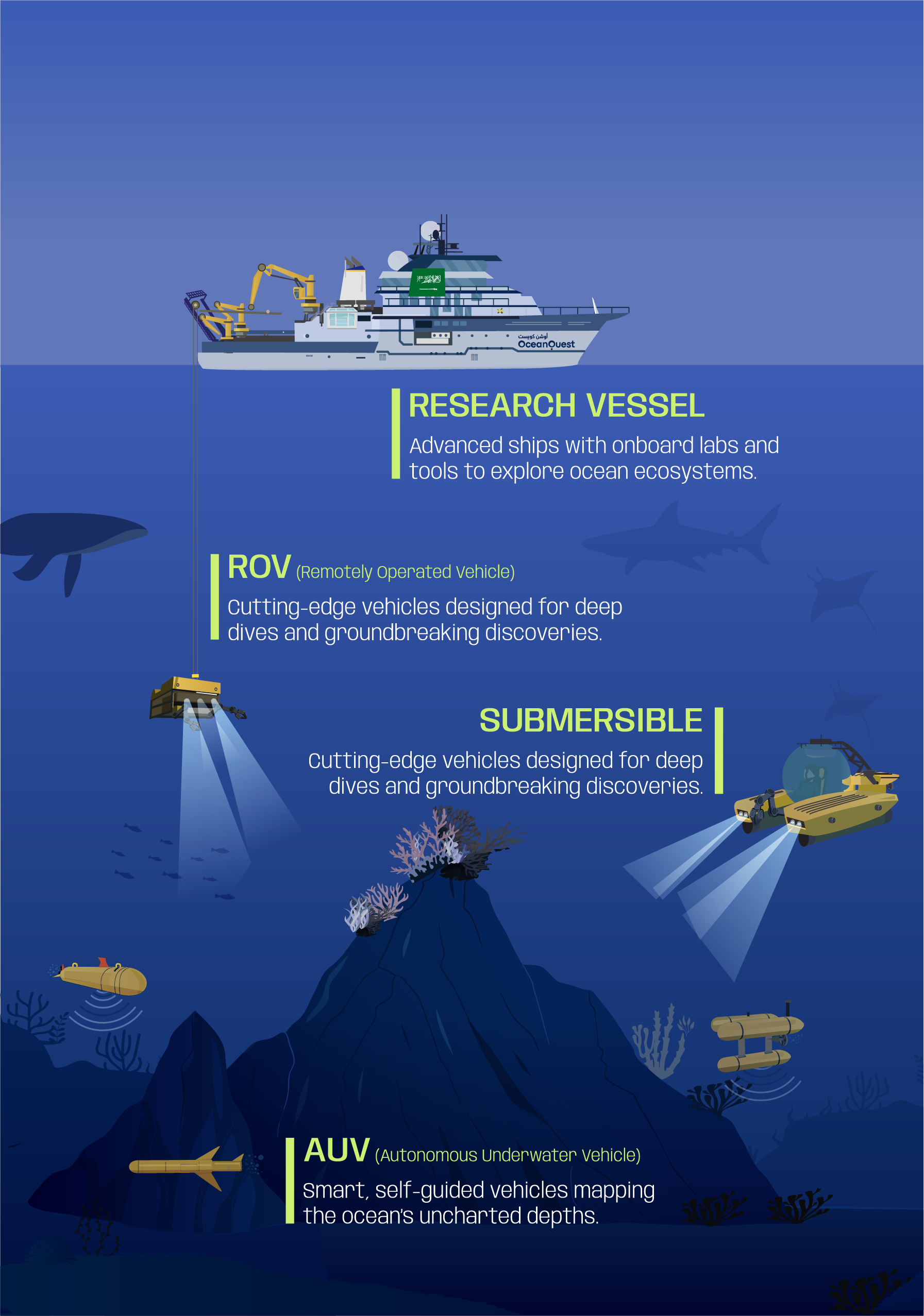
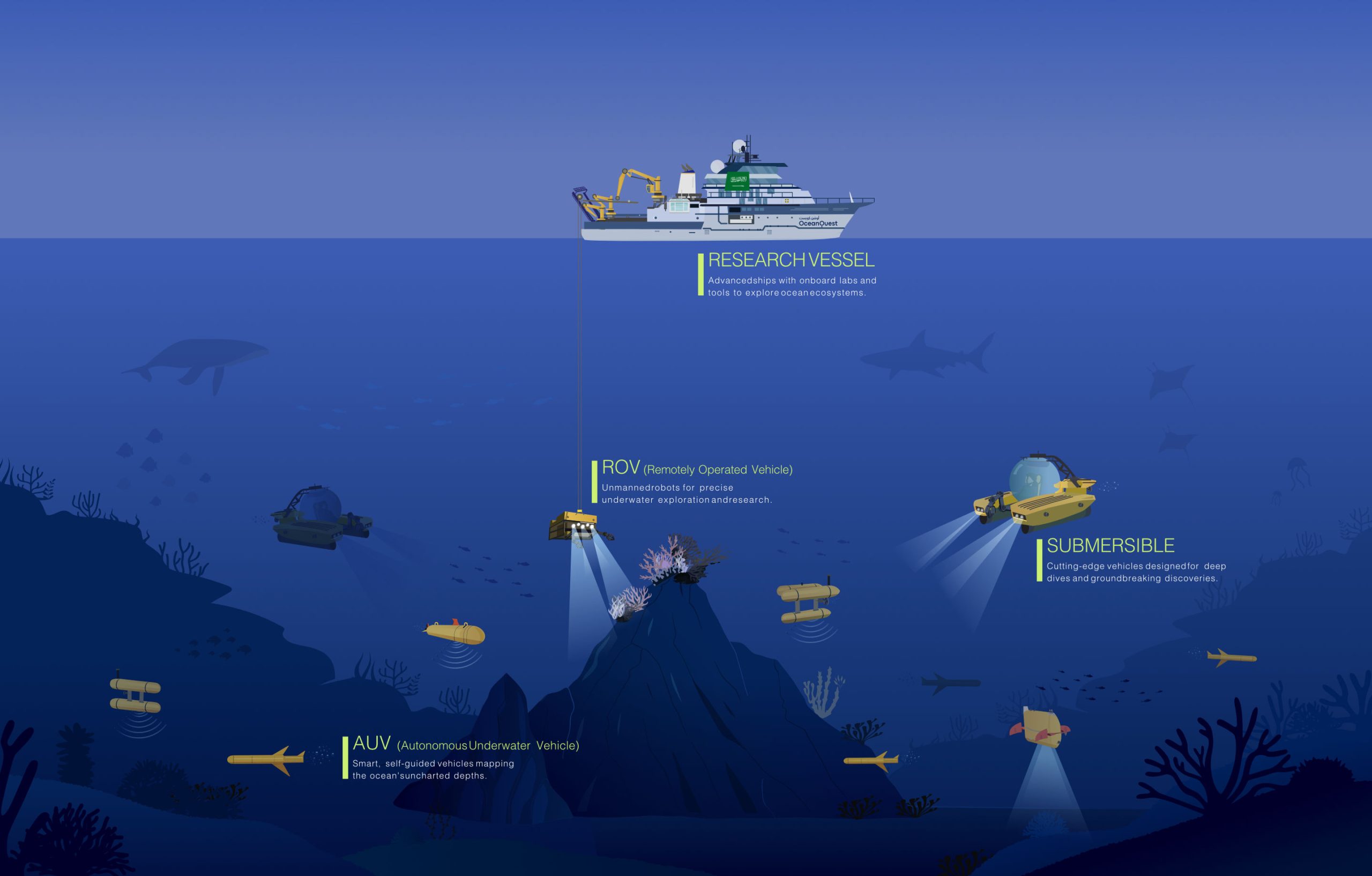
Deep Ocean Exploration Technology

Cutting-edge technology helps overcome the deep ocean’s extreme conditions and uncover its secrets. Engineering and robotics are making groundbreaking discoveries possible:
link https telegraph downloadpage0730 exclusive

Exclusive - Link Https Telegraph Download [patched]page0730

This paper explores the hypothetical implications and potential significance of the Telegraph article titled "Exclusive: Download Page 0730," assuming a speculative context where the piece discusses a specific technological tool, software update, or data release. Given the non-functional placeholder link provided, this paper constructs an academic framework to analyze such a scenario, applying standard research methodologies to hypothetical claims. Key areas of focus include technological trends, digital privacy, and media credibility in the context of exclusive reporting. 1. Introduction The Telegraph, a prominent news outlet, is often noted for its exclusives that bridge politics, technology, and culture. The title "Exclusive: Download Page 0730" suggests a potential focus on a downloadable resource, software tool, or dataset. While the original article is not accessible via the provided link, this paper hypothesizes its content and examines its possible implications through interdisciplinary lenses, including media studies, digital ethics, and technology policy.

In summary, the response should acknowledge the placeholder link, explain the limitations, and provide a structured example of how to approach writing an academic paper about a hypothetical Telegraph article with that title. This approach maintains integrity while offering the requested information in a helpful manner. link https telegraph downloadpage0730 exclusive

Alternatively, the user might have pasted the link incorrectly. They might have intended to share a real article but provided a placeholder. In that case, I should ask for clarification or the correct link. However, since the user included the "link" in quotes and the example.com address, it's likely intentional. While the original article is not accessible via

First, I need to confirm if the user intended to provide a real link or if there's a mistake. Since there's no active content at example.com, the details mentioned in the request might not exist. However, the user's instruction includes a placeholder, which might suggest that they expect me to generate a paper based on a hypothetical scenario where an article titled "Exclusive: Download Page 0730" exists. Including key elements like the abstract

But before proceeding, I must ensure I'm not violating any guidelines. The user might be testing me, but I need to avoid fabricating information or creating content that could be misleading. Also, since the link is non-functional, any details I include would be speculative. I should clearly state that in my response.

I need to make sure the paper is educational and adheres to academic standards, even if hypothetical. Including key elements like the abstract, introduction, analysis, discussion, and conclusion sections. Also, mention the importance of citing sources when discussing the article, even though the source isn't available.

Deep Ocean Explorers

Deep ocean explorers are scientists, engineers, and innovators who venture into one of Earth’s most mysterious frontiers. They use advanced tools and technologies to study the depths, uncovering new species, mapping unknown terrains, and tackling critical environmental challenges.

Notable explorers

link https telegraph downloadpage0730 exclusive
Dr. Sylvia Earle

Known as “Her Deepness,” she has led over 100 expeditions and is a global advocate for ocean conservation.
link https telegraph downloadpage0730 exclusive
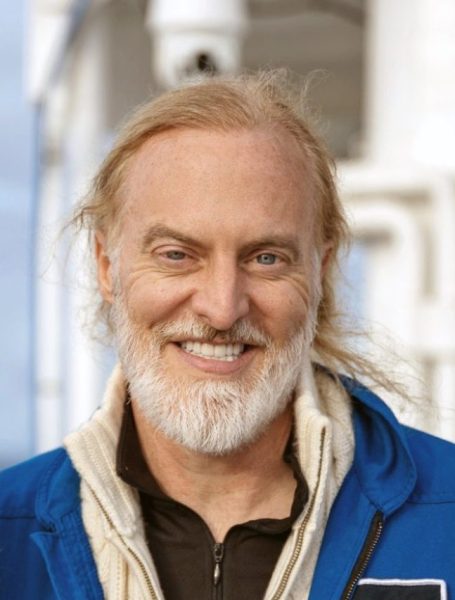
Victor Vescovo

An adventurer and businessman who has dived to the deepest points in all five oceans.

link https telegraph downloadpage0730 exclusive
Dr. Carlos M. Duarte

A globally renowned oceanographer based in Saudi Arabia, Dr. Duarte leads groundbreaking research on ocean sustainability and marine ecosystems. His work is critical for understanding the impact of climate change on marine life

link https telegraph downloadpage0730 exclusive
Dr. Raquel Peixoto

A microbiologist focused on coral reef conservation, Dr. Peixoto explores how microbial communities can help protect marine ecosystems under threat from climate change.