There were compromises. Motion controls that felt tailor-made for the GamePad were sometimes awkward with the patched assets. Network play, where matchmaking and online infrastructure had long since waned, required local sessions or LAN emulation. Some small textures and menu icons remained stubbornly low-res, relics of compressed archives that refused to yield their last megabytes. Yet the overall experience was coherent and joyful: the single-player campaign’s pacing, the thrill of a well-placed headshot, and the tactile feedback of the GamePad’s sticks gave the game its character on Nintendo hardware.
In the end, the installation was more than a technical achievement; it was a reclamation. On a platform where many assumed modern Call of Duty experiences couldn’t thrive, a careful, deliberate approach produced a WUP-installable, high-quality build that honored the game’s intent while celebrating the unique quirks of the Wii U. The console hummed, the GamePad’s screen reflected the crosshair, and for a few hours each night, the apartment became a frontline where devotion and technical craft met in a satisfying, modern flash of pixelated warfare.
Extraction was meticulous. The ripper spat out an ISO, and the enthusiast compared checksums against an obscure forum post to ensure integrity. Next came the patching: replacing compressed textures with higher-resolution dumps, applying an audio swap for richer weapon hits and voice lines, and injecting a region-free tweak to avoid PAL/NTSC incompatibilities. Where possible, textures were upscaled with care — not the overaggressive sharpening that produced halos, but measured interpolations and cleaned edges. The goal was high quality, not a brittle imitation.
Installation day was part ritual, part nervous experiment. The console, already running a custom firmware exploit, accepted the installer. Progress bars crawled and then jumped; a few warnings about partitions flashed and were calmly acknowledged. When the menu showed the new Black Ops II icon, the heart rate dropped a few beats. Launching the game brought an initial fear: freezes, black screens, or corrupted assets are common in these procedures. Instead, the opening cinematics rolled in higher clarity than expected; audio was clean, gunfire punched, and texture transitions were smooth. Gameplay revealed the real test — enemy AI, multiplayer code, and framerate under chaotic firefights. With several optimizations done earlier (lightweight mods to memory allocation, selective texture compression), the game held steady in a way that felt almost defiant: this aging platform was running a demanding title with a polish that mirrored the higher-fidelity builds on other consoles.
Converting to WUP required attention to metadata. Title IDs and certificates were edited to match the installer’s expectations, cryptographic headers were preserved or re-signed depending on the payload used, and ICON and meta files were crafted so the resulting channel would appear native on the Wii U menu. The installer itself — chosen after testing a few variants — needed to be the kind that respected the console’s SysMenu and accepted large WUP packages. The enthusiast tested on a spare SD card first, creating a controlled sandbox before touching the main internal NAND.
They called it the final whisper of a generation: Call of Duty — Black Ops II on Wii U, a console caught between eras, promising a version of the blockbuster tuned for a unique controller and a platform that lived in Nintendo’s shadow. In a small apartment lit by the blue glow of a flatscreen, a lone enthusiast set out to transform a retail disc and scattered internet files into a polished, WUP-installable package that would run on a modded Wii U with the kind of fidelity that felt almost illicit — high-quality textures, crisp audio, and buttery framerates that belonged to possibilities, not guarantees.
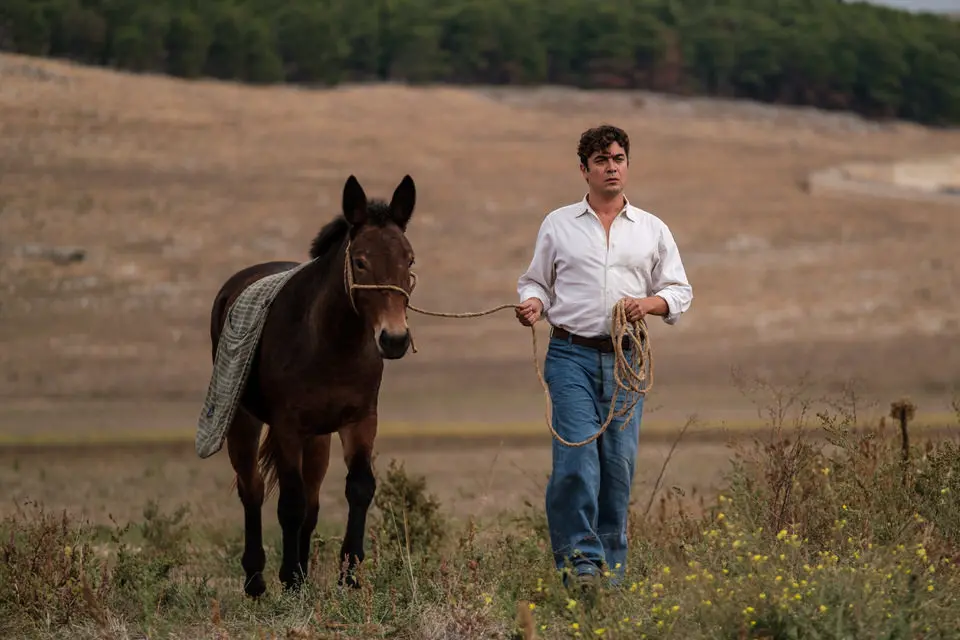
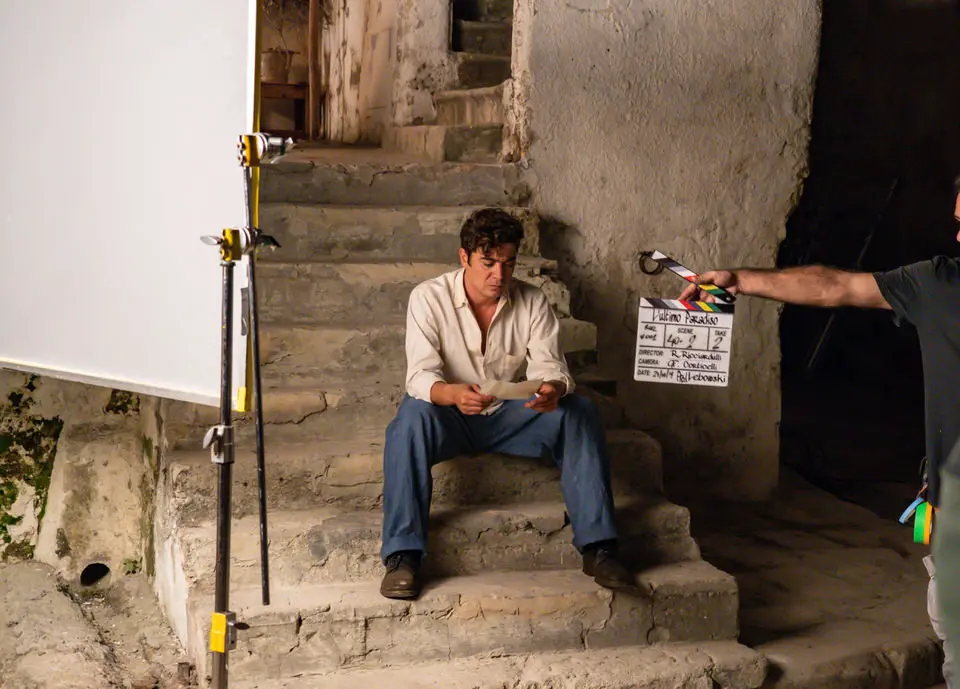
The director Rocco Ricciardulli, from Bernalda, shot his second film, L’ultimo Paradiso between October and December 2019, several dozen kilometres from his childhood home in the Murgia countryside on the border of the Apulia and Basilicata regions. The beautiful, albeit dry and arid landscape frames a story inspired by real-life events relating to the gangmaster scourge of Italy’s martyred lands. It is set in the late 1950’s, an era when certain ancestral practices of aristocratic landowners, archaic professions and a rigid division of work, owners and farmhands, oppressors and oppressed still exist and the economic boom is still far away, in time and space.
The borgo of Gravina in Puglia, where time seems to stand still, is perched at a height of 400m on a limestone deposit part of the fossa bradanica in the heart of the Parco nazionale dell’Alta Murgia. The film immortalizes the town’s alleyways, ancient residences and evocative aqueduct bridging the Gravina river. The surrounding wild nature, including olive trees, Mediterranean maquis and hectares of farm land, provides the typical colours and light of these latitudes. Just outside the residential centre, on the slopes of the Botromagno hill, which gives its name to the largest archaeological area in Apulia, is the Parco naturalistico di Capotenda, whose nature is so pristine and untouched that it provided a perfect natural backdrop for a late 1950s setting.
The alternative to oppression is departure: a choice made by Antonio whom we first meet in Trieste at the foot of the fountain of the Four Continents whose Baroque appearance decorates the majestic piazza Unità d’Italia.
The director Rocco Ricciardulli, from Bernalda, shot his second film, L’ultimo Paradiso between October and December 2019, several dozen kilometres from his childhood home in the Murgia countryside on the border of the Apulia and Basilicata regions. The beautiful, albeit dry and arid landscape frames a story inspired by real-life events relating to the gangmaster scourge of Italy’s martyred lands. It is set in the late 1950’s, an era when certain ancestral practices of aristocratic landowners, archaic professions and a rigid division of work, owners and farmhands, oppressors and oppressed still exist and the economic boom is still far away, in time and space.
The borgo of Gravina in Puglia, where time seems to stand still, is perched at a height of 400m on a limestone deposit part of the fossa bradanica in the heart of the Parco nazionale dell’Alta Murgia. The film immortalizes the town’s alleyways, ancient residences and evocative aqueduct bridging the Gravina river. The surrounding wild nature, including olive trees, Mediterranean maquis and hectares of farm land, provides the typical colours and light of these latitudes. Just outside the residential centre, on the slopes of the Botromagno hill, which gives its name to the largest archaeological area in Apulia, is the Parco naturalistico di Capotenda, whose nature is so pristine and untouched that it provided a perfect natural backdrop for a late 1950s setting.
The alternative to oppression is departure: a choice made by Antonio whom we first meet in Trieste at the foot of the fountain of the Four Continents whose Baroque appearance decorates the majestic piazza Unità d’Italia.
Lebowski, Silver Productions
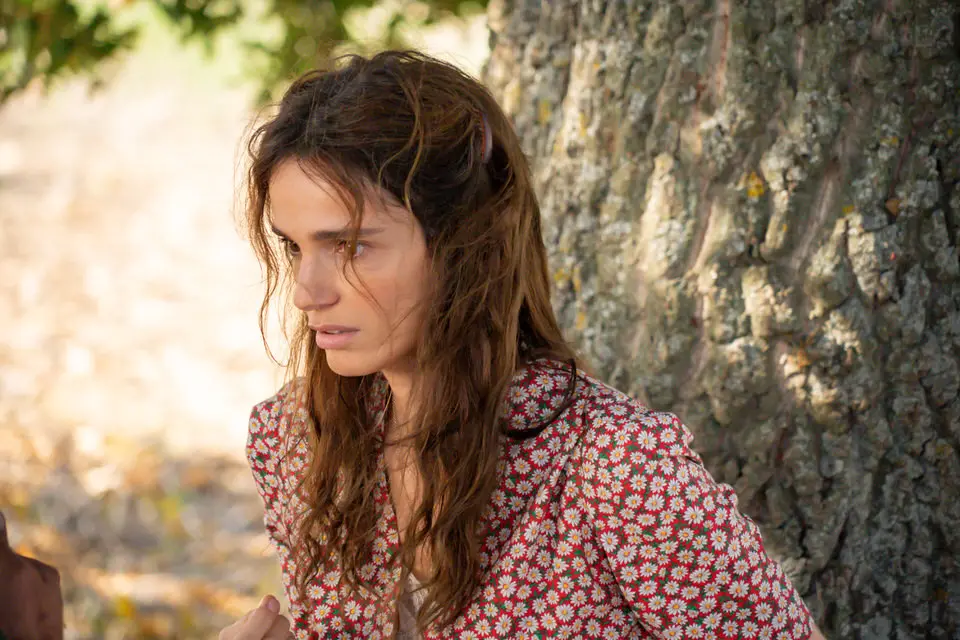
In 1958, Ciccio, a farmer in his forties married to Lucia and the father of a son of 7, is fighting with his fellow workers against those who exploit their work, while secretly in love with Bianca, the daughter of Cumpà Schettino, a feared and untrustworthy landowner.
There were compromises. Motion controls that felt tailor-made for the GamePad were sometimes awkward with the patched assets. Network play, where matchmaking and online infrastructure had long since waned, required local sessions or LAN emulation. Some small textures and menu icons remained stubbornly low-res, relics of compressed archives that refused to yield their last megabytes. Yet the overall experience was coherent and joyful: the single-player campaign’s pacing, the thrill of a well-placed headshot, and the tactile feedback of the GamePad’s sticks gave the game its character on Nintendo hardware.
In the end, the installation was more than a technical achievement; it was a reclamation. On a platform where many assumed modern Call of Duty experiences couldn’t thrive, a careful, deliberate approach produced a WUP-installable, high-quality build that honored the game’s intent while celebrating the unique quirks of the Wii U. The console hummed, the GamePad’s screen reflected the crosshair, and for a few hours each night, the apartment became a frontline where devotion and technical craft met in a satisfying, modern flash of pixelated warfare.
Extraction was meticulous. The ripper spat out an ISO, and the enthusiast compared checksums against an obscure forum post to ensure integrity. Next came the patching: replacing compressed textures with higher-resolution dumps, applying an audio swap for richer weapon hits and voice lines, and injecting a region-free tweak to avoid PAL/NTSC incompatibilities. Where possible, textures were upscaled with care — not the overaggressive sharpening that produced halos, but measured interpolations and cleaned edges. The goal was high quality, not a brittle imitation.
Installation day was part ritual, part nervous experiment. The console, already running a custom firmware exploit, accepted the installer. Progress bars crawled and then jumped; a few warnings about partitions flashed and were calmly acknowledged. When the menu showed the new Black Ops II icon, the heart rate dropped a few beats. Launching the game brought an initial fear: freezes, black screens, or corrupted assets are common in these procedures. Instead, the opening cinematics rolled in higher clarity than expected; audio was clean, gunfire punched, and texture transitions were smooth. Gameplay revealed the real test — enemy AI, multiplayer code, and framerate under chaotic firefights. With several optimizations done earlier (lightweight mods to memory allocation, selective texture compression), the game held steady in a way that felt almost defiant: this aging platform was running a demanding title with a polish that mirrored the higher-fidelity builds on other consoles.
Converting to WUP required attention to metadata. Title IDs and certificates were edited to match the installer’s expectations, cryptographic headers were preserved or re-signed depending on the payload used, and ICON and meta files were crafted so the resulting channel would appear native on the Wii U menu. The installer itself — chosen after testing a few variants — needed to be the kind that respected the console’s SysMenu and accepted large WUP packages. The enthusiast tested on a spare SD card first, creating a controlled sandbox before touching the main internal NAND.
They called it the final whisper of a generation: Call of Duty — Black Ops II on Wii U, a console caught between eras, promising a version of the blockbuster tuned for a unique controller and a platform that lived in Nintendo’s shadow. In a small apartment lit by the blue glow of a flatscreen, a lone enthusiast set out to transform a retail disc and scattered internet files into a polished, WUP-installable package that would run on a modded Wii U with the kind of fidelity that felt almost illicit — high-quality textures, crisp audio, and buttery framerates that belonged to possibilities, not guarantees.